
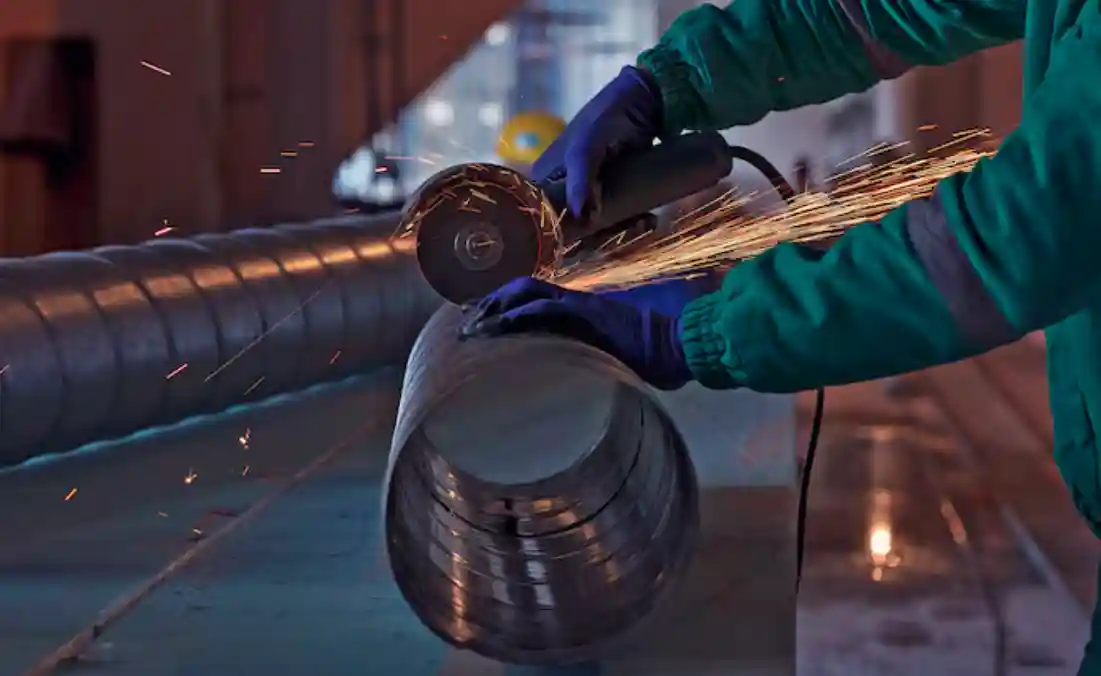
Maximizing Operational Efficiency: Smart Tips to Meet Your Industrial Needs
Fulfilling the evolving demands of a modern industrial facility requires a strategic focus on procurement, maintenance, and operational efficiency. As supply chains become more complex, companies must adopt proactive measures to ensure seamless production capabilities.
By streamlining your engineering workflows and partnering with dependable component suppliers, your business can significantly reduce operational bottlenecks. Adopting these modern practices safeguards your production lines against unexpected disruptions.
1. Navigating Strategic IMF Operations for Production Success
Achieving precise manufacturing standards requires deep technical expertise, making comprehensive IMF solutions essential for modern factories. Selecting partners specializing in specialized milling, heavy welding, and customized components ensures your custom hardware satisfies exact design tolerances.
High-quality industrial machining and fabrication processes reduce material waste, accelerate factory assembly timelines, and improve the long-term reliability of heavy machinery.
Investing in premium production partnerships allows your organization to execute complicated engineering designs effortlessly.
2. Ensuring Mechanical Integrity with Premium Locknut Components
Industrial machinery operates under extreme stress, making structural reliability a top priority for facility managers. Utilizing a high-grade locknut selection across your assembly lines prevents critical fasteners from loosening due to intense operational vibrations.
These specialized components maintain constant tension in heavy-duty equipment, preventing unexpected structural failures and minimizing dangerous workplace hazards.
Upgrading your fastening inventory to include advanced locknut variations significantly lowers your long-term equipment maintenance costs.
3. Emphasizing Rigorous Quality Control and Inspection Standards
Maintaining a competitive edge requires an unyielding commitment to strict quality assurance protocols. Implementing comprehensive non-destructive testing and precision measurement routines ensures all incoming materials satisfy rigorous safety metrics.
Early detection of manufacturing flaws prevents defective parts from reaching the assembly floor, saving valuable time and capital. Robust inspection strategies preserve your market reputation, build lasting client trust, and prevent costly product recalls.
4. Investing in Continuous Workforce Training and Development
Advanced industrial equipment is only as efficient as the technicians responsible for its daily operation. Providing regular training seminars on automated machinery, digital control interfaces, and modern safety protocols maximizes workplace productivity.
A highly skilled workforce adapts quickly to shifting technological trends and identifies operational bottlenecks with greater speed. Prioritizing employee education fosters internal innovation and reduces operational errors across the manufacturing plant.
5. Cultivating Strategic and Diversified Supplier Alliances
Material shortages can instantly stall production lines, leading to expensive downtime and missed delivery deadlines. To protect operations, procurement managers must build a diversified network of domestic and international material vendors.
Shifting away from single-source reliance cushions your enterprise against sudden global logistics disruptions or unexpected transport delays. Establishing clear communication channels with multiple backup suppliers guarantees a steady flow of raw materials.
6. Integrating Smart Preventive Maintenance Management Software
Waiting for heavy machinery to break before performing maintenance creates costly inefficiencies within a busy factory. Transitioning to a digital, data-driven preventive maintenance system allows technicians to track component wear in real time.
Scheduling routine checkups during scheduled factory shutdowns prevents unexpected mechanical breakdowns and extends total asset lifespans. This organized approach stabilizes daily production yields and ensures your facility consistently satisfies high-volume industrial demands.

Leave A Comment