
The Future of Payments: Comprehensive Digital Wallet Guide
Payment behavior has shifted dramatically over the past decade. Cash usage continues to decline across many economies while mobile transactions surge. Consumers expect instant, seamless, and secure payment experiences directly from their smartphones. The acceleration of cashless ecosystems reflects a structural change in financial habits, not a temporary trend. Mobile-first generations are comfortable storing value digitally and demand frictionless transactions. The Future of Digital Wallets sits at the center of this transformation as wallets evolve beyond simple payment tools into comprehensive financial ecosystems. This guide explores the technologies, regulatory pressures, strategic challenges, and growth opportunities shaping the next phase of digital payments.
From Physical Wallets to Digital Ecosystems
For centuries, payments relied on physical exchange through coins and paper currency. The introduction of cards improved portability and security but still required physical infrastructure. The smartphone changed the equation entirely. Early digital wallets functioned as virtual card holders, storing payment credentials securely on mobile devices. Over time, integration with apps, financial networks, and cloud systems transformed smartphones into financial control centers. Today’s digital wallets manage payments, store tickets, verify identities, and integrate loyalty rewards. The transition from standalone payment tools to multifunction platforms represents a fundamental shift in how financial services are delivered and consumed.
What Defines a Modern Digital Wallet?
A modern digital wallet combines secure payment storage, identity verification systems, and seamless integration with financial networks. It may hold debit and credit card information, bank account access, digital IDs, and even cryptocurrencies. Security layers such as encryption and authentication protocols protect user data during transactions. Integration with banking systems allows real-time authorization and settlement. Closed-loop wallets operate within specific ecosystems, often tied to individual platforms, while open-loop wallets connect to broader card and banking networks, enabling wider acceptance. The structural design of a wallet influences scalability, compliance requirements, and overall strategic potential.
Key Technologies Powering the Future of Digital Wallets
Near Field Communication and Contactless Infrastructure
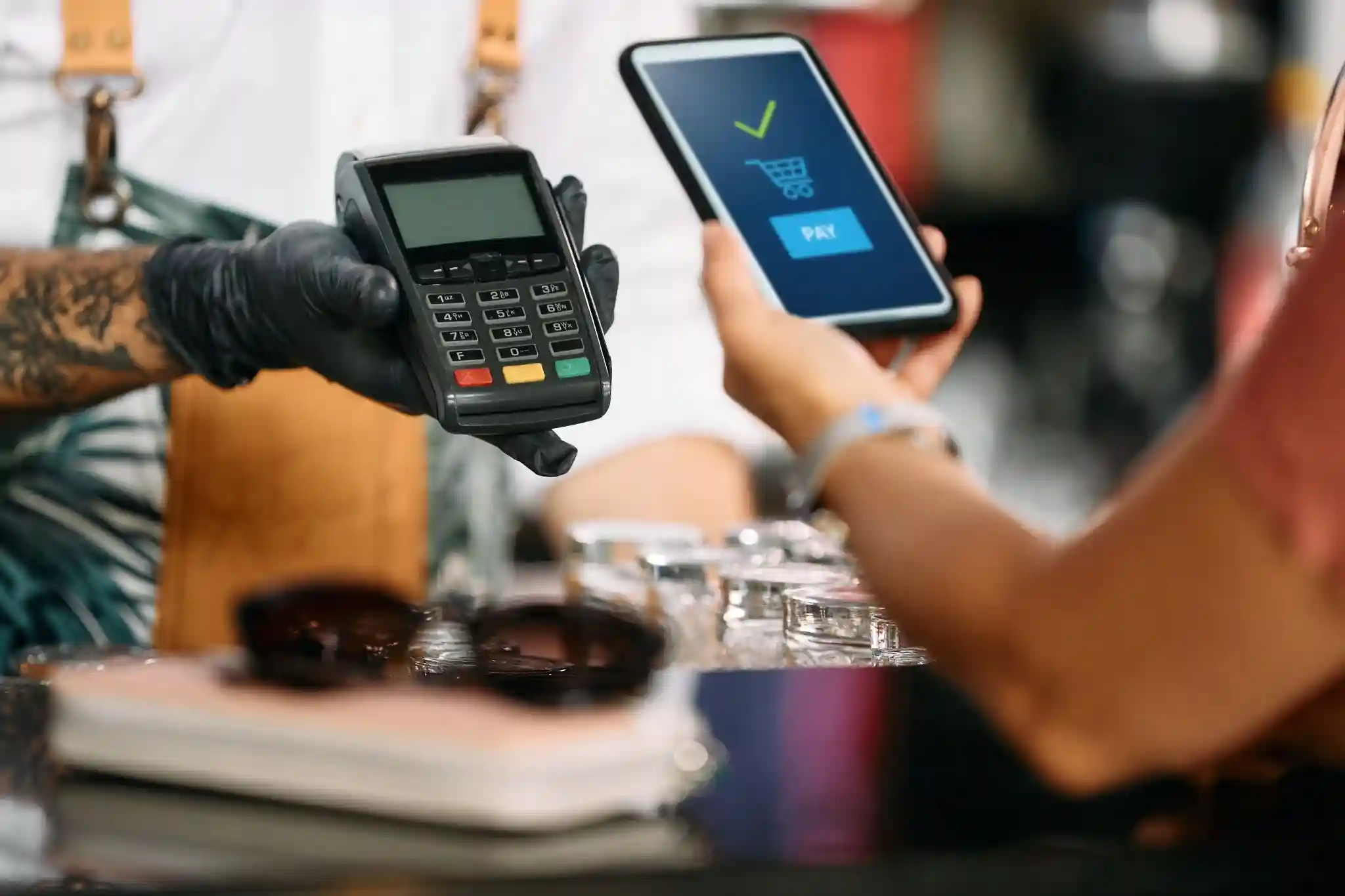
Near Field Communication enables tap-and-go transactions by allowing devices to exchange encrypted data at close range. The expansion of contactless terminals globally has accelerated wallet adoption. Retailers invested heavily in infrastructure upgrades, and consumers embraced the speed and convenience. NFC technology now underpins much of modern in-store digital payment activity and supports wallet-first commerce strategies.
Blockchain and Tokenization
Blockchain introduces decentralized transaction validation, particularly relevant for cryptocurrency-enabled wallets. More broadly, tokenization replaces sensitive card details with unique digital tokens during transactions. This significantly reduces fraud risk and enhances data protection. Tokenization has become an industry standard, strengthening trust without compromising convenience.
Artificial Intelligence and Data Analytics
Artificial intelligence enhances wallet functionality through behavioral analytics and predictive modeling. AI systems analyze spending patterns to offer personalized insights and detect suspicious activity in real time. Fraud detection becomes more adaptive when behavioral data is incorporated into risk models. For providers, analytics unlock new monetization opportunities, while users gain smarter financial tools embedded directly within wallet platforms.
Security in a Digital-First Payment World
Security remains the cornerstone of digital wallet adoption. Biometric authentication such as fingerprint and facial recognition strengthens identity verification. Multi-factor authentication adds additional protection layers. Advanced encryption standards secure data transmission across networks. Compliance with global cybersecurity regulations reinforces trust and operational legitimacy. However, convenience must be balanced carefully with risk mitigation. Overly complex systems reduce usability, while weak protections invite vulnerabilities. Sustainable growth in the Future of Digital Wallets depends on maintaining equilibrium between user experience and robust cybersecurity frameworks.
The Rise of Super Apps and All-in-One Wallets
Digital wallets are increasingly evolving into super apps that integrate financial and lifestyle services within one interface. In several global markets, a single application handles payments, lending, investments, insurance, and retail services. This integration increases engagement and builds strong ecosystem loyalty. Users can manage everyday expenses, access credit, and invest without leaving the platform. The ecosystem model generates network effects, where added services amplify overall value. Businesses entering this landscape must evaluate whether to build independent ecosystems or integrate strategically within established platforms.
Digital Wallets and Financial Inclusion
Digital wallets are playing a critical role in expanding financial access. In regions with limited traditional banking infrastructure, mobile wallets provide a viable alternative for storing and transferring funds. Unbanked and underbanked populations can receive payments, send remittances, and participate in digital commerce through smartphones. Microtransactions become efficient and affordable. Emerging markets often leapfrog legacy banking systems by adopting mobile-first financial models. The Future of Digital Wallets is deeply connected to improving global financial inclusion and reducing access barriers.
Regulatory Landscape Shaping the Future
Government Policies and Digital Currency Initiatives
Governments are actively influencing digital payment ecosystems. Central Bank Digital Currencies are under development in several countries and may integrate directly into wallet platforms. Regulatory frameworks emphasize anti-money laundering compliance and identity verification requirements. Wallet providers must incorporate strong compliance mechanisms to operate legally and sustainably. As digital currencies mature, wallets may serve as distribution channels for state-backed digital money, reshaping national monetary systems.
Data Privacy and Consumer Protection
Data privacy regulations vary by region and are becoming increasingly strict. Wallet providers must ensure transparency regarding data storage and usage practices. Consumers demand clarity around consent and information sharing. Balancing personalization with privacy protection presents a complex challenge. Organizations that embed compliance into their core operations gain long-term strategic advantage.
Cross-Border Payments and Global Interoperability
International transactions remain complex due to currency conversion costs and regulatory fragmentation. Digital wallets aim to simplify cross-border payments by integrating with global networks and fintech infrastructures. Real-time settlement capabilities improve efficiency, but interoperability challenges persist. Diverse compliance standards and infrastructure gaps complicate integration. The push toward standardized global frameworks continues as businesses seek smoother international payment flows.
Digital Wallets in E-Commerce and Retail Innovation
E-commerce growth has significantly accelerated wallet adoption. One-click checkout reduces friction and cart abandonment. Tokenized payments enhance trust and security. Retailers integrate wallet systems with loyalty programs and personalized promotions, leveraging data insights to improve customer engagement. In physical retail, contactless payments create seamless omnichannel experiences. The integration of digital wallets into both online and offline environments blurs traditional commerce boundaries and redefines customer expectations.
The Role of Digital Wallets in the Creator and Gig Economy
The gig economy depends on speed and flexibility. Digital wallets enable near-instant payouts for freelancers and creators. Embedded finance features within wallets offer savings tools and micro-investment options tailored to irregular income patterns. Income management becomes more adaptive when financial services are integrated directly into payment platforms. As independent work continues to expand globally, wallet integration becomes strategically essential for platform providers and workers alike.
Emerging Trends Shaping the Next Decade
Wearable and IoT Payments
Wearables such as smartwatches now support contactless payments, extending wallet functionality beyond smartphones. Connected vehicles and IoT devices enable automated transactions for services like tolls and fuel. Invisible payments reduce friction by eliminating manual steps. This shift toward embedded and automated commerce will redefine convenience standards.
Metaverse and Virtual Asset Integration
Digital wallets may serve as gateways to virtual economies, supporting NFTs, digital assets, and in-game currencies. Secure storage and transfer capabilities become essential as virtual commerce expands. Integration of digital identity frameworks within wallet systems will play a critical role in these ecosystems.
Voice and Biometric Payments
Voice-enabled transactions and advanced biometric verification technologies are evolving rapidly. Hands-free payments may become common in certain environments. Continuous improvements in recognition accuracy will strengthen both convenience and security.
Business Opportunities in the Digital Wallet Ecosystem
Digital wallet ecosystems generate revenue through transaction fees, strategic partnerships, and value-added services. Ethical data analytics can enhance personalization while creating monetization opportunities. Collaboration between fintech firms and traditional banks accelerates innovation and market reach. Startups can develop niche solutions such as fraud analytics or embedded finance modules within larger wallet ecosystems. The competitive landscape remains dynamic and innovation-driven.
Challenges Slowing Adoption and Scalability
Fragmentation across platforms and regulatory environments complicates scalability. Trust barriers persist among older demographics unfamiliar with digital payment technologies. Infrastructure limitations in certain regions restrict widespread adoption. Internet access, secure hardware, and digital literacy are critical prerequisites. Overcoming these barriers requires coordinated efforts between regulators, technology providers, and financial institutions.
Strategic Considerations for Businesses and Consumers
Businesses must adapt to wallet-first commerce strategies by integrating leading platforms into their payment systems. Seamless checkout experiences increase conversion and customer satisfaction. Cybersecurity investment is essential to protect consumer trust. Consumers should evaluate wallet providers based on security features, ecosystem integration, and privacy transparency. Strategic adoption ensures digital wallet benefits outweigh potential risks.
The Future of Digital Wallets: Predictions and Long-Term Outlook
The global movement toward cashless societies will likely continue. Digital identity systems may integrate directly with wallets, expanding functionality beyond payments. Wallet platforms could become primary gateways to financial services, government benefits, and digital commerce. The economic and social implications extend far beyond transaction processing. The Future of Digital Wallets represents a structural transformation in how value is exchanged, stored, and managed worldwide.
Conclusion
Digital wallets have evolved into comprehensive financial ecosystems shaped by technology, regulation, and consumer expectations. Strategic investment in innovation, compliance, and security will determine long-term success. Businesses and individuals who adapt early will gain competitive and operational advantages. The wallet-driven financial future is not approaching; it is already unfolding.

Leave A Comment